Choosing from the Menu in Japan: When understanding words isn’t enough
You made it inside.
You’re seated.
The menu is in front of you.
And somehow, choosing feels harder than before.
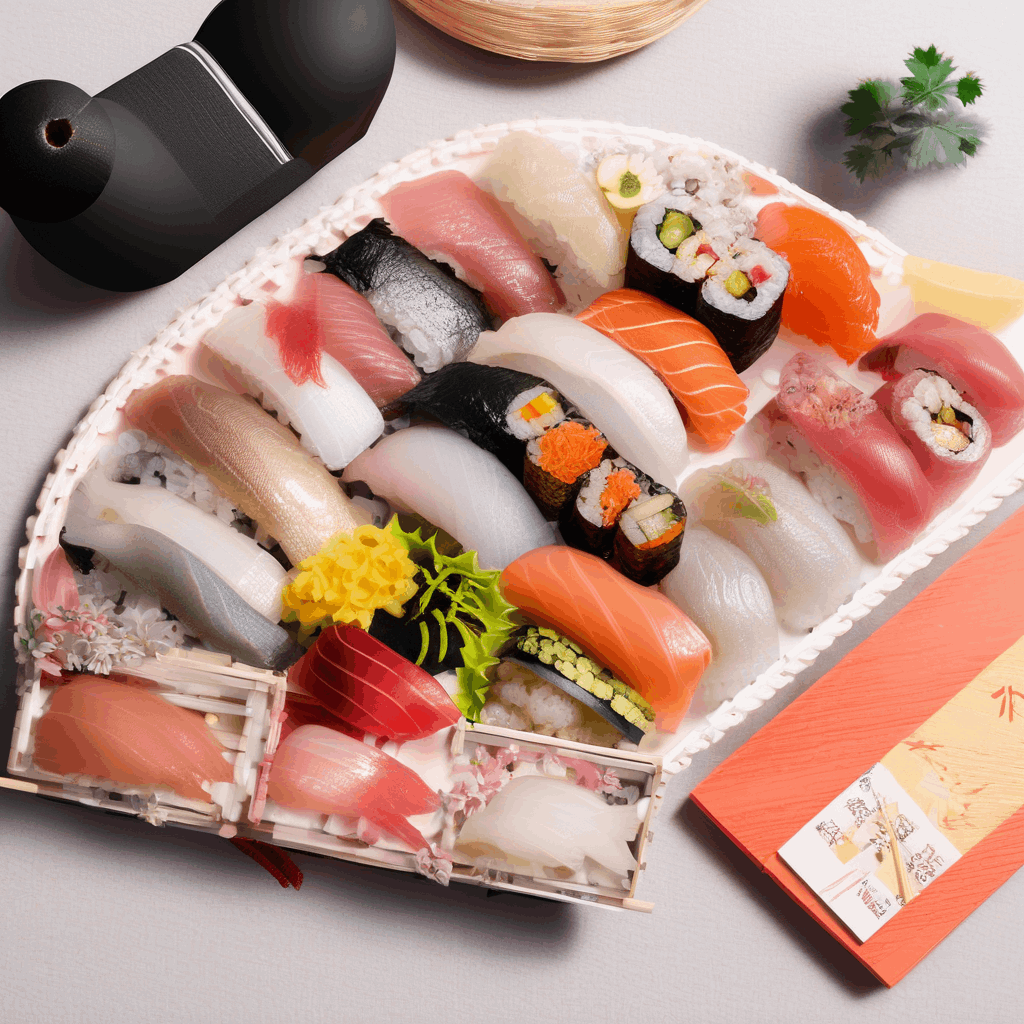
The moment people get stuck
You look at the menu.
- You can read some words
- You recognize a few ingredients
- There are pictures — but not for everything
Still, you hesitate.
- How big is this dish?
- Is it spicy?
- Is it meant to be shared?
- What if I order the “wrong” thing?
So you keep reading.
And reading.
Why this decision feels heavier than expected
In a familiar place, menus are quick decisions.
In Japan, menus often assume local knowledge.
- Dishes are named, not described
- Portions are understood, not explained
- Context matters — lunch vs dinner, solo vs group
You’re not missing information.
You’re missing context.
Why translation doesn’t fully solve it
You might use:
- Google Translate
- A menu photo online
- A recommendation from a blog
Yet the uncertainty remains.
- Translation tells you what it is
- But not how it feels to order it
The gap isn’t language.
It’s experience.
This hesitation is extremely common
Many travelers freeze at this moment.
They don’t want to waste a meal.
They don’t want to feel awkward.
They don’t want regret.
So they default to something “safe” —
or ask the staff, hoping they understood.
This isn’t indecision.
It’s care.
What actually helps here
Not a perfect explanation.
What helps is:
- Knowing how people usually order here
- Understanding which dishes are flexible choices
- Realizing that most mistakes are minor — and forgiven
- Making one small decision, not the perfect one
This is a moment where
confidence matters more than accuracy.
A quiet note from OTAMA
OTAMA is built for moments like this.
Not to pick for you —
but to make choosing feel lighter.
When the menu feels overwhelming,
there is a way to move forward — calmly, and without pressure.